






பற்துளைகளிலிருந்து பாதுகாத்து, பற்களை உறுதிப்படுத்தத் தேவையான அளவில் ஃபுளோரைட் சேர்க்கப்பட்டுள்ளது

இயற்கையான உப்பு மற்றும் மின்ட் கிருமிகளுக்கு எதிராக போராடி ஆரோக்கியமான பல் ஈறுகளையும் புத்துணர்ச்சியையும் வழங்குகிறது.
FDI அங்கிகரித்த க்ளோகார்ட் நெச்சுரல் சோல்ட்


Clogard Natural Salt Toothpaste 120G
In stock
Rs.250.00




Clogard Natural Salt Toothpaste 40G
In stock
Rs.125.00


Clogard Natural Salt Toothpaste 70G
In stock
Rs.205.00
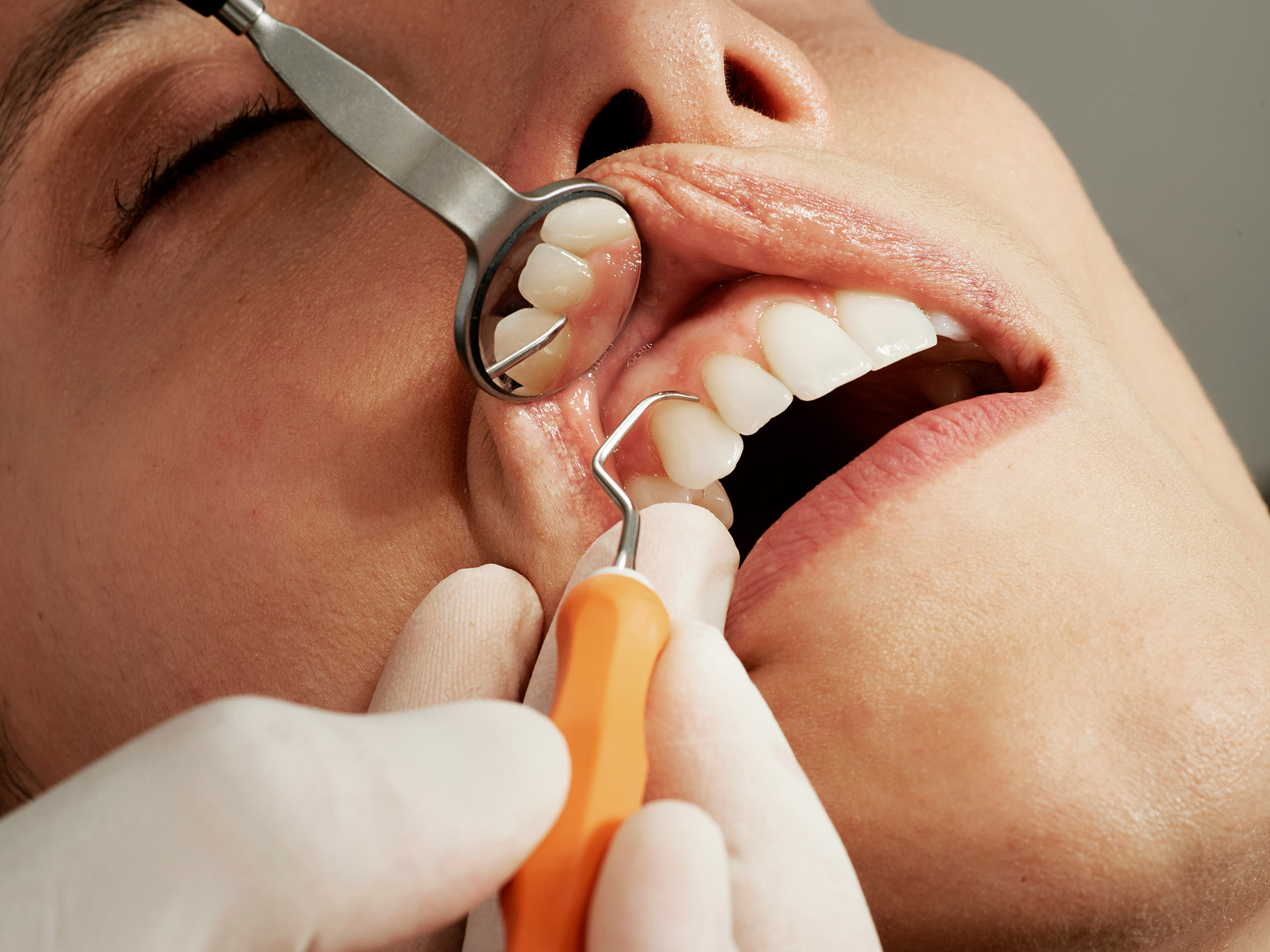
Gum Disease Often Strikes in Your Age 30s – Spot the Signs Early & Do it right from the start
Gum disease is frequently underestimated, yet it affects a significant portion of the population, many without even realising it. In this insightful Q&A, we speak with Dr. Lakmal Kulasekara, Consultant in Restorative Dentistry and Senior Lecturer at the Faculty of Dental Sciences, University of Sri Jayewardenepura, to break down what gum disease is, how it progresses, and what simple, everyday actions can keep it at bay. From age-appropriate care practices to the impact of genetics, Dr. Kulasekara provides helpful guidance for Sri Lankan individuals and families.
Q: What exactly is gum disease, and how does it differ from general oral issues?
A: Gum disease, caused by ever-present plaque, is extremely common but entirely preventable. No matter what you eat, with consistent, effective brushing, you can keep it at bay and live life without restrictions.
Q. How prevalent are gum-related issues in Sri Lanka? Are there any studies to support this?
A: Over half the population of Sri Lanka experience mild gum disease, most without even realizing that they are. However, if any symptom is left unchecked, it could progress into a severe case. If risk factors such as diabetes, smoking, or certain genetic conditions are a factor, the symptoms can advance quicker and cause irreversible damage. The signs are easy to miss, so it’s always best to get frequent check-ups
Q. Which age groups in Sri Lanka are more vulnerable to gum issues, and what behaviors might contribute?
A: Gum disease becomes more prevalent with age. In younger individuals, its presence often points to an underlying immune or genetic issue. But for most, gum disease tends to appear progressively after their 30s and 40s, especially without proper care.
Q. What are some early warning signs and symptoms of gum disease that people might miss or ignore?
A: Bleeding gums are often the first and most telling sign, which is something we refer to as an indicator of periodontal instability. A simple self-check can go a long way, for example if you just look in the mirror, healthy gums should be pink, firm, and not swollen. If your gums appear purple, puffy, or bleed when brushing, it’s a clear signal that something’s wrong
Q. How does genetics influence an individual’s risk of developing gum disease?
A: Genetics can play a role, especially in rare cases. Certain immune-related disorder, like neutropenia, where white blood cell levels are low, can cause severe gum destruction. There’s also a condition called aggressive periodontists, where people with relatively good oral hygiene still suffer from rapid gum deterioration.
Q. Are gum diseases preventable?
A: Yes, as previously mentioned it is highly preventable. If brushing is done the right way, twice daily, and flossing is added to the daily routine, gum disease is easily manageable.
Early Intervention Can Truly Reverse Gum Disease - Do it right from the start
The gums are the true foundation of a healthy mouth, although most people only think of white teeth when they think of oral health. Despite having access to modern dental care, gum issues are still prevalent in Sri Lanka, primarily because people are not aware of how serious they are. In the following conversation with Dr. Lakmal Kulasekara, Consultant in Restorative Dentistry and Senior Lecturer at the Faculty of Dental Sciences, University of Sri Jayewardenepura, he sheds light on why gum health deserves far more attention, the myths that hold us back, and the simple, practical steps we can all take to protect this vital part of our wellbeing.
Q. Why is gum health considered a fundamental part of oral hygiene, and how is it connected to systemic health conditions such as heart disease or diabetes?
A: Healthy gums are essential for strong teeth, supporting the structures that keep them stable and functional. Their role, however, extends beyond the mouth; unhealthy gums can let bacteria and inflammation enter the bloodstream, affecting overall health. Research shows strong links between gum disease, diabetes, and heart disease: healthy gums aid blood sugar control, while persistent gum inflammation raises the risk of heart disease. This is why early care and close collaboration between dentists and physicians are vital for protecting both oral and systemic health.
Q. How do everyday lifestyle choices, such as diet, smoking, or even stress, affect the health of our gums?
A: Interestingly, smoking, stress, and poor diet are three major lifestyle factors that can silently but severely damage your gums. Smokers often miss the early warning signs, as nicotine masks bleeding and inflammation, allowing gum disease to progress unnoticed. Stress weakens the immune system, reducing the body’s ability to fight infection in the gums. Meanwhile, a poor diet fuels plaque buildup and deprives gums of the nutrients they need to stay strong. Together, these factors can accelerate gum disease, making prevention and healthier choices essential for lasting oral health.
Q. What are common myths or misconceptions about gum care that you frequently encounter?
A: One common misconception is that if your gums don’t bleed, they're healthy. Many people avoid brushing their gums directly, which can prevent bleeding even in the presence of significant gum disease. Brushing should always include the gum line; otherwise, plaque can accumulate and lead to serious issues.
Q. How important are regular dental visits/checkups in identifying and preventing gum problems?
A: Regular dental visits are essential for protecting your gums and overall oral health. Dentists can spot early signs of gum problems often before you feel pain or notice visible symptoms, making treatment simpler and less costly. A professional cleaning and guidance on small adjustments to your daily routine can go a long way in preventing serious disease. At a minimum, a visit every six months is recommended.
Q. Can early intervention really reverse the early stages of gum disease, and why is it important?
A: Early intervention in gum disease is crucial because its initial stages are not only treatable but fully reversible. Through a simple periodontal examination, dentists can spot early signs such as inflammation or plaque buildup, and with timely care, restore gum health. If ignored, however, gum disease can progress to periodontitis, leading to gum recession, tooth loosening, persistent bad breath, and even tooth loss. Beyond the mouth, advanced gum disease is also linked to systemic conditions like heart disease and diabetes, making early care vital for both dental and overall well-being.
As Dr. Kulasekara emphasizes, gum disease is highly preventable yet often overlooked. With proper brushing, regular check-ups, and healthy habits, we can protect our gums and our overall health well into old age.